Furniture requirements vary dramatically from one property to another. A family furnishing a new apartment has different priorities from a restaurant preparing for daily customer traffic, while an architect working on a commercial project may need consistency across dozens of furniture pieces.
For this reason, identifying the Best Furniture Manufacturer in Nagpur should not simply mean finding the company with the largest catalogue. The better question is whether a manufacturer can understand the intended application and produce furniture appropriate for that environment.
Residential Furniture Needs Everyday Practicality
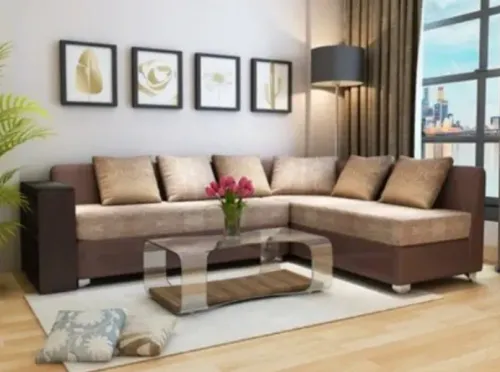
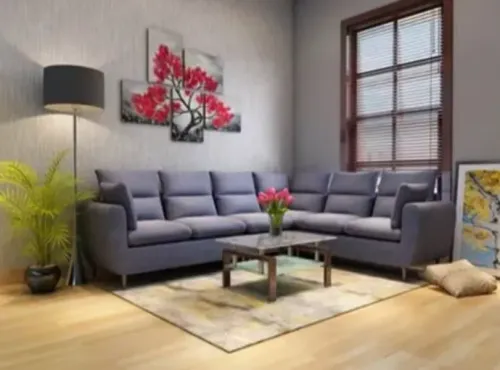
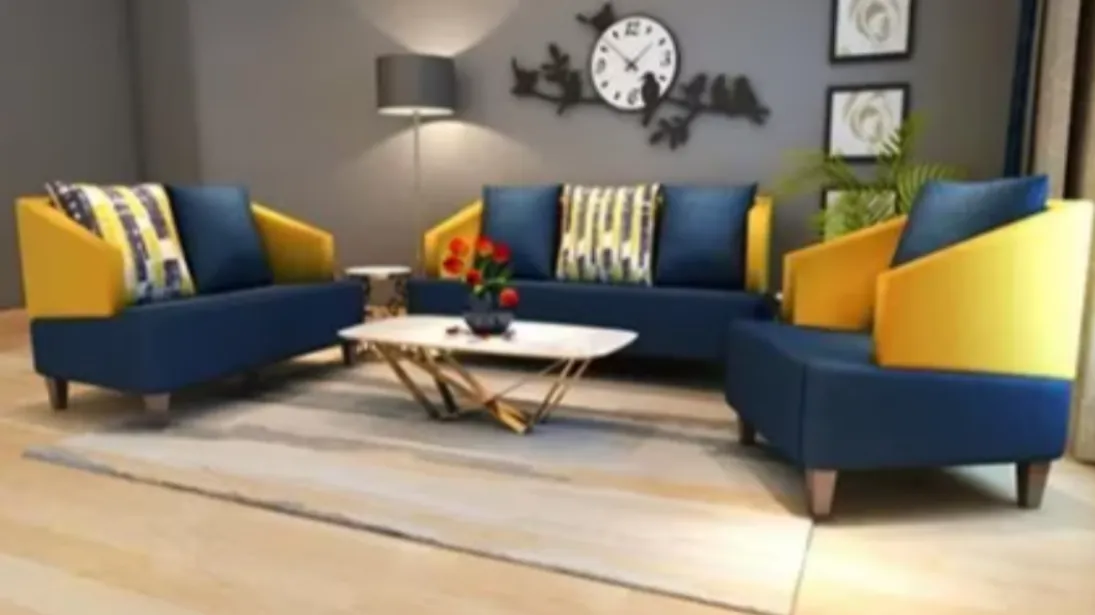
Home furniture is usually expected to combine comfort, storage, appearance, and long-term usability.
Common residential requirements include:
- Sofas
- Beds
- Wardrobes
- Dining furniture
- TV units
- Study tables
- Shoe storage
- Side tables
- Decorative furniture
Families should consider their routines before choosing designs.
A household requiring extensive storage may benefit more from intelligently designed wardrobes than oversized decorative units. Families that entertain frequently may prioritize flexible seating. Homes with limited floor area may require furniture serving more than one purpose.
The most suitable furniture responds to these habits.
Offices Prioritize Ergonomics and Organization
Office furniture serves employees for several hours each day. Comfort and practical organization therefore become major considerations.
Workstations need suitable working heights, adequate legroom, accessible storage, and provision for electrical or data cables. Chairs should support prolonged sitting, while meeting tables need dimensions appropriate for the number of participants.
Reception furniture has another role because it contributes to a visitor's first impression.
For businesses in Nagpur, furniture planning should therefore consider workflow as well as visual identity.
Restaurants Need Durability and Efficient Layouts
Restaurant furniture experiences frequent use, movement, cleaning, and occasional spills.
A visually impressive chair that is difficult to maintain may not be the right commercial choice.
Restaurant owners should evaluate:
- Seating comfort
- Table dimensions
- Cleaning requirements
- Surface durability
- Stability
- Floor-space utilization
- Ease of movement
- Overall ambience
Furniture dimensions can even influence operational efficiency. Oversized tables may reduce seating capacity, while overcrowded arrangements can negatively affect the dining experience.
Hotels Require Consistency Across Multiple Areas
Hotel furniture can extend across guest rooms, restaurants, reception areas, lounges, banquet spaces, and waiting zones.
The challenge is maintaining a coordinated visual language while adapting furniture to different functional requirements.
Guest-room furniture needs practical storage and comfortable everyday use. Lobby furniture needs stronger visual presence. Restaurant and banquet furniture must withstand repeated commercial use.
Consistency in manufacturing becomes particularly important when multiple similar units are required.
Interior Designers Need Design Flexibility
Interior designers and architects frequently develop concepts that cannot be achieved using standard catalogue products.
They may specify particular dimensions, finishes, upholstery, materials, or design details.
A manufacturer working with design professionals should be able to interpret drawings and measurements accurately while identifying practical production considerations before manufacturing begins.
Communication is therefore an important part of the relationship.
Commercial Spaces Have Their Own Requirements
Retail stores, clinics, salons, educational spaces, studios, showrooms, and other commercial properties often need specialized furniture.
A retail display unit needs visibility and product accessibility. A clinic requires easy-to-maintain surfaces. A salon may need storage positioned around service activities.
This illustrates why furniture selection should always begin with the intended application.
What Should Buyers Evaluate?
Rather than judging manufacturers only by photographs, buyers can examine how they approach a project.
Useful questions include:
- Can furniture dimensions be customized?
- What materials are appropriate for the application?
- How are finishes selected?
- Can multiple pieces be produced consistently?
- Are practical installation requirements considered?
- Does the manufacturer understand residential and commercial usage?
A manufacturer does not need to offer every possible design. More importantly, it should be capable of translating a requirement into furniture that functions properly.
Nagpur's growing mix of residential developments and commercial interiors has created demand for furniture across many applications. Elegance Furniture serves this broader furniture and home décor category, including requirements where customization and coordinated interiors are important.
Ultimately, the best choice is not determined by a label. It is determined by how effectively the furniture fits the space, supports its users, complements the interior, and continues performing after everyday use begins.
Keywords