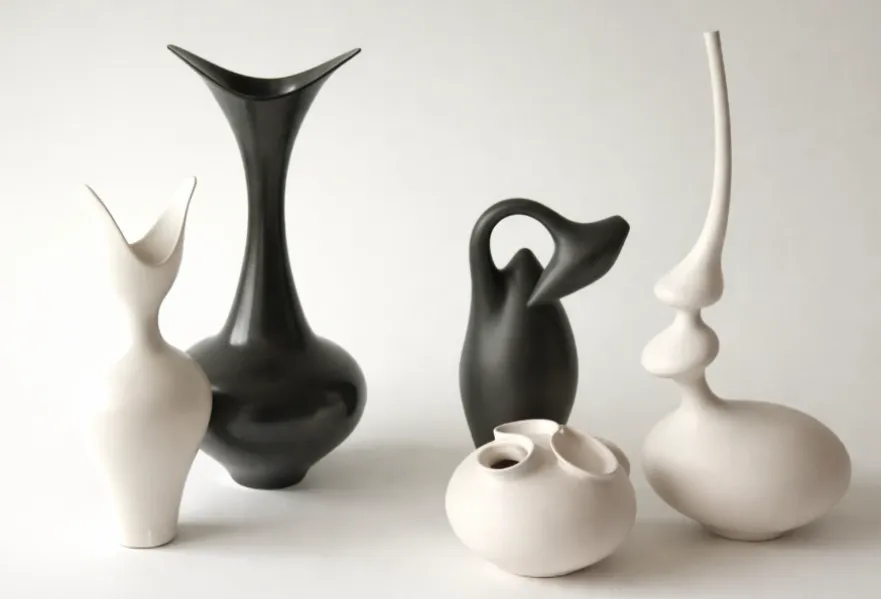
Artifacts give interiors personality. A sculpture on a console, decorative object on a shelf, handcrafted accent, or carefully chosen centrepiece can make a room feel more individual than furniture alone.
Problems begin when every available surface becomes a display area.
When selecting Artifacts in Nagpur, homeowners and commercial property owners can create stronger interiors by focusing on placement, proportion, material, and visual hierarchy rather than quantity.
Give Every Artifact a Purpose
Decorative objects do not need a practical function, but they should have a visual purpose.
An artifact might:
- Create a focal point
- Add texture
- Introduce contrast
- Fill an awkward niche
- Connect two colours
- Add cultural character
- Balance a furniture arrangement
If an object does none of these things and simply occupies space, it may be unnecessary.
This simple approach can prevent over-decoration.
Use Fewer Objects With Greater Presence
A shelf filled with many unrelated items can quickly appear cluttered.
Instead, group a smaller number of objects intentionally.
Varying heights can create visual rhythm. Combining one larger object with smaller supporting pieces often looks more composed than arranging several items of similar size.
Negative space is equally important.
Leaving some empty space around decorative objects allows them to be noticed.
Match Scale With Furniture
Artifacts should relate to the furniture supporting them.
A tiny decorative piece may disappear on a large console, while an oversized sculpture can overwhelm a small side table.
For coffee tables, dining consoles, reception counters, and display shelves, consider both the object's dimensions and the remaining usable surface.
This is particularly important where furniture has a practical purpose and cannot become entirely decorative.
Mix Materials Carefully
Artifacts are available in numerous materials and finishes, including metal, wood, ceramic, glass, stone-inspired surfaces, and mixed-media designs.
Mixing materials can make an interior more interesting, but repetition helps create coherence.
For example, a metallic detail introduced through one artifact can appear again subtly in lighting or furniture hardware.
Repeating a material in controlled amounts creates connection without making every item identical.
Consider the Viewing Environment
Residential artifacts are usually seen at close range, while decorative pieces in hotel lobbies, restaurants, and offices may be viewed from farther away.
Commercial spaces can therefore accommodate objects with stronger silhouettes or larger scale.
In restaurants, however, artifacts should not interfere with table service or cleaning. Office décor should complement the professional environment rather than overwhelm work areas.
Use Artifacts to Improve Empty Corners
Not every empty corner needs furniture.
Sometimes a sculptural object or floor-standing decorative piece can provide enough visual weight without making the space crowded.
This is useful near entrances, staircase areas, large windows, and open-plan interiors.
Before filling the corner, check whether people need to move through it.
Maintenance Matters
Intricate artifacts can accumulate dust, especially when displayed on open shelves.
Nagpur's local conditions make easy maintenance worth considering when selecting objects for frequently used spaces.
Restaurants, hotels, offices, and other commercial interiors should be particularly careful about choosing decorative pieces that can be cleaned efficiently.
Build a Collection Gradually
Trying to complete every decorative detail at once often results in purchases that later feel unnecessary.
Start with major furniture and larger visual elements. Once those are in place, identify where the room genuinely needs additional character.
This allows artifacts to respond to the finished environment.
Elegance Furniture works within Nagpur's furniture and home décor segment, where decorative objects can be coordinated with furniture, wall treatments, and other interior elements.
A well-styled room does not reveal how many decorative items were purchased. It reveals how thoughtfully they were selected.
When artifacts have appropriate scale, deliberate placement, complementary materials, and enough surrounding space, even a small collection can make an interior feel distinctive and complete.
Keywords