An empty wall can make a furnished room feel unfinished, but choosing artwork simply to fill available space often produces disappointing results. Wall décor works best when its size, colour, positioning, and visual character relate to the furniture and architecture around it.
Buyers exploring Wall Arts in Nagpur can use a few practical principles to select pieces that strengthen an interior instead of competing with it.
Choose Artwork According to the Room
Artwork should respond to the purpose of the space.
A living room can accommodate expressive or statement pieces because it is often a home's primary social area. Bedrooms generally benefit from calmer compositions, while offices may require artwork that supports a professional environment.
Restaurants and hotels can use wall art more extensively to establish a distinctive interior identity.
Before selecting a piece, ask what the wall needs to achieve.
Should it become the focal point? Add subtle texture? Introduce colour? Reinforce a theme? Make a large empty area feel more proportionate?
The answer helps narrow the selection.
Size Is One of the Most Important Decisions
Artwork that is too small can appear disconnected from surrounding furniture.
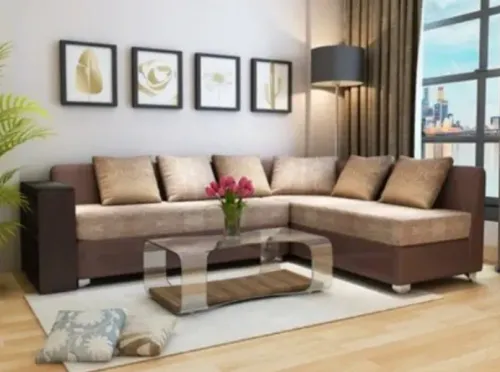
This is particularly noticeable above sofas, beds, consoles, and large restaurant seating areas.
Instead of evaluating a piece independently, consider the width and height of the wall as well as nearby furniture.
For large walls, buyers may use:
- One substantial artwork
- A coordinated set
- A gallery arrangement
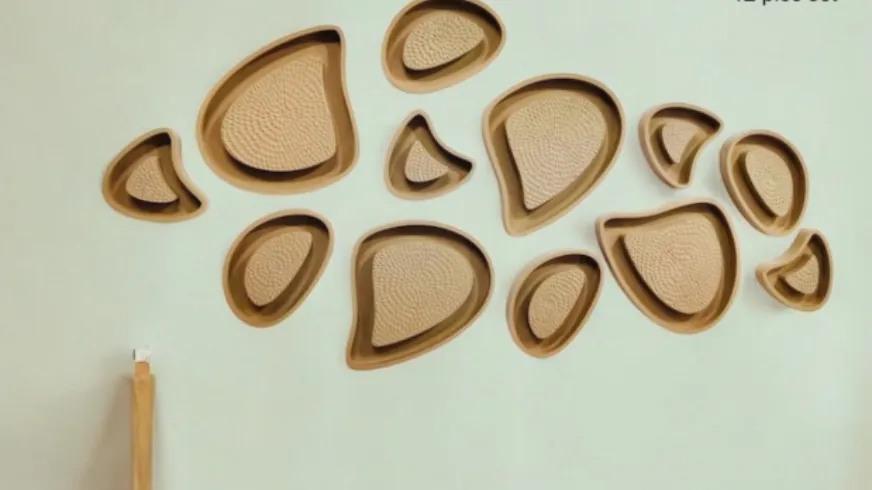
- Sculptural wall décor
- Layered decorative elements
Smaller walls usually benefit from more restrained treatment.
Colour Does Not Need to Match Exactly
A common misconception is that wall art should contain precisely the same colours as the sofa, curtains, or rug.
Exact matching can make an interior feel overly coordinated.
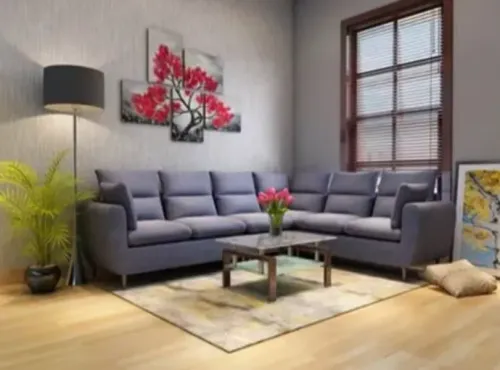
Instead, artwork can pick up one or two existing tones while introducing complementary shades. This creates visual connection without making everything look identical.
Neutral rooms are particularly suitable for artwork with stronger colour or texture.
Consider Viewing Distance
Artwork in a narrow corridor is viewed differently from artwork across a large hotel lobby.
Highly detailed pieces can work well where viewers are close. Larger compositions with stronger forms can be effective when seen from farther away.
This principle is useful in commercial interiors where viewing distances may be greater than in homes.
Lighting Changes How Art Appears
Natural and artificial lighting influence colour, shadow, texture, and surface reflections.
Before finalizing wall art, consider whether the area receives direct sunlight and how it is illuminated after dark.
Directional lighting can highlight textured or dimensional artwork, while reflective surfaces may need positioning that minimizes glare.
Nagpur's strong daylight makes sunlight exposure another practical consideration, particularly for walls near large windows.
Wall Art for Offices
Office artwork should complement the professional character of the organization.
Reception areas can accommodate stronger statement pieces, while meeting rooms and work areas may benefit from quieter visual elements.
The goal is to add personality without distracting from the workspace.
Wall Art for Restaurants and Hotels
Hospitality spaces often use artwork as part of the guest experience.
Restaurants can coordinate art with cuisine, architecture, colour palette, or overall concept without relying on obvious themed decorations.
Hotels can use different artwork across reception areas, corridors, guest rooms, and dining spaces while maintaining a consistent visual language.
Coordinate Art With Furniture
Wall art is most effective when considered alongside furniture rather than after everything else has been installed.
A sofa, console, dining arrangement, reception desk, or bed creates a visual anchor. Artwork can then be positioned according to that anchor.
Businesses working across furniture and décor categories, such as Elegance Furniture in Nagpur, can be considered when buyers want decorative elements to relate more closely to furniture selections.
Before buying wall art, photograph the intended wall and record its measurements. Compare potential artwork against the actual space rather than relying on showroom impressions.
The right wall art should not feel like an object added to cover an empty surface. It should appear naturally connected to the room's scale, furniture, colours, lighting, and purpose.
Keywords