
Home décor can transform an ordinary room, but adding more decorative elements does not automatically create a better interior. In many homes, the real challenge is deciding what to leave out.
When selecting Home Decor Materials in Nagpur, homeowners can achieve a more balanced result by considering scale, texture, colour, function, and the relationship between décor and furniture.
Establish a Visual Direction First
Shopping for décor without a clear direction often results in unrelated pieces being brought together.
Before purchasing anything, identify the broad character of the interior.
It might be:
- Contemporary
- Minimal
- Warm and natural
- Traditional
- Industrial
- Luxury-inspired
- Eclectic
This does not mean every object must follow one rigid style. It simply creates a reference point for deciding whether new elements belong in the room.
Work With Materials Already Present
Furniture, flooring, wall finishes, curtains, lighting, and architectural features already contribute colours and textures.
Décor should respond to them.
For example, a room containing strong wood finishes may benefit from simpler decorative surfaces rather than several additional competing wood patterns.
Likewise, interiors with neutral furniture can accommodate stronger wall art, metallic accents, textured décor, or statement accessories.
The aim is visual balance.
Use Texture to Create Depth
Rooms dominated by one surface type can appear flat.
Combining complementary textures creates interest without requiring excessive colour.
Possible combinations include:
- Wood with fabric
- Metal with textured walls
- Glass with natural finishes
- Matte surfaces with selected glossy accents
- Upholstery with decorative objects
Texture becomes especially useful in neutral interiors where the colour palette is intentionally restrained.
Consider Nagpur's Climate and Maintenance
Décor materials should be chosen for real living conditions rather than showroom appearance alone.
Nagpur experiences hot conditions for a significant part of the year, and dust can also influence maintenance requirements. Highly intricate decorative surfaces may need more frequent cleaning.
For everyday homes, practical considerations include:
- Ease of dusting
- Resistance to routine handling
- Surface durability
- Suitability for indoor conditions
- Ease of maintenance
- Compatibility with ventilation and sunlight
Materials exposed to strong direct sunlight should also be selected carefully because some finishes and fabrics may change over time.
Create Focal Points Instead of Decorating Every Surface
A room usually feels more composed when the eye has somewhere to rest.
Instead of filling every wall and tabletop, choose a few intentional focal areas.
This could be a statement wall, artwork above the sofa, an artifact display, a decorative console, or a distinctive furniture piece.
Other elements can remain quieter.
The result tends to feel more deliberate and less cluttered.
Scale Matters More Than Quantity
A common decorating mistake is using many small accessories in a large room or oversized pieces in a compact one.
Décor should relate to surrounding furniture.
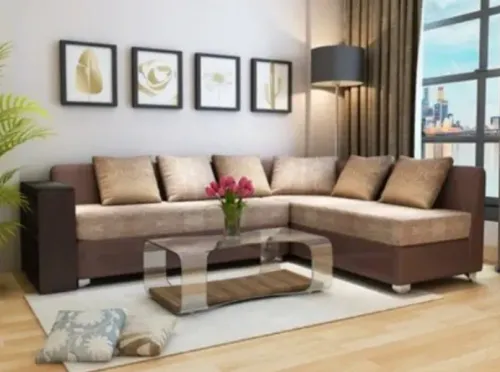
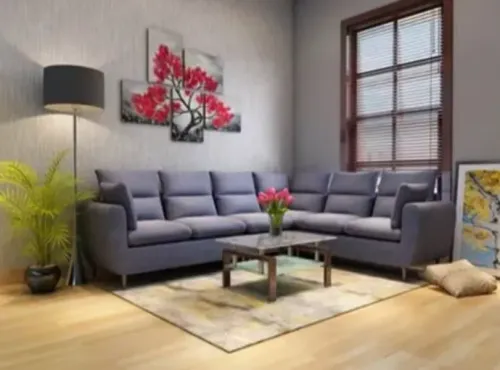
Artwork above a wide sofa, for instance, needs enough visual presence to feel connected with the furniture below it. A large artifact placed on a small side table can look unstable or disproportionate.
Always evaluate the dimensions of both the decorative item and the area around it.
Coordinate Furniture and Décor Together
Furniture and décor are sometimes selected separately, which can create inconsistencies later.
Planning them together helps coordinate:
- Materials
- Colours
- Finishes
- Proportions
- Wall treatments
- Decorative accessories
A furniture manufacturer that also works with décor can provide a more unified approach where the furniture and decorative components share the same visual direction.
In Nagpur, Elegance Furniture operates within furniture manufacturing and home décor, making it relevant for customers who prefer to consider both aspects of an interior together.
Avoid Trend-Driven Decisions Everywhere
Trends can provide inspiration, but a home should not depend entirely on them.
Large permanent surfaces and major furniture pieces are generally better suited to designs that homeowners can live with for years. Trends can then be introduced through smaller accessories that are easier to update.
A successful interior does not need the maximum number of decorative products. It needs the right materials in the right places.
Thoughtful home décor creates hierarchy, warmth, personality, and visual continuity. When every element has a reason to be present, even a relatively simple room can feel complete.
Keywords