An office can have modern flooring, attractive lighting, and impressive branding yet remain uncomfortable if its furniture is poorly planned. Employees interact with desks, chairs, storage units, meeting tables, and collaborative furniture throughout the working day, making furniture one of the most functional elements of workplace design.
Working with an Office Furniture Manufacturer in Nagpur becomes easier when businesses understand how furniture influences movement, organization, comfort, and available floor space.
Begin With Workflow Instead of Furniture Products
A common mistake is deciding how many desks to purchase before examining how people actually work.
Different teams have different requirements.
An accounts department may require secure document storage. A design team might need larger work surfaces and collaborative areas. Senior management may require meeting space within cabins, while customer-facing teams need organized reception areas.
Map the workflow first.
Identify:
- Number of employees
- Team structure
- Movement patterns
- Meeting requirements
- Storage needs
- Equipment requirements
- Visitor areas
- Future expansion possibilities
Furniture planning becomes significantly easier once these factors are clear.
Workstations Should Support Daily Tasks
Desk dimensions should reflect the actual work being performed.
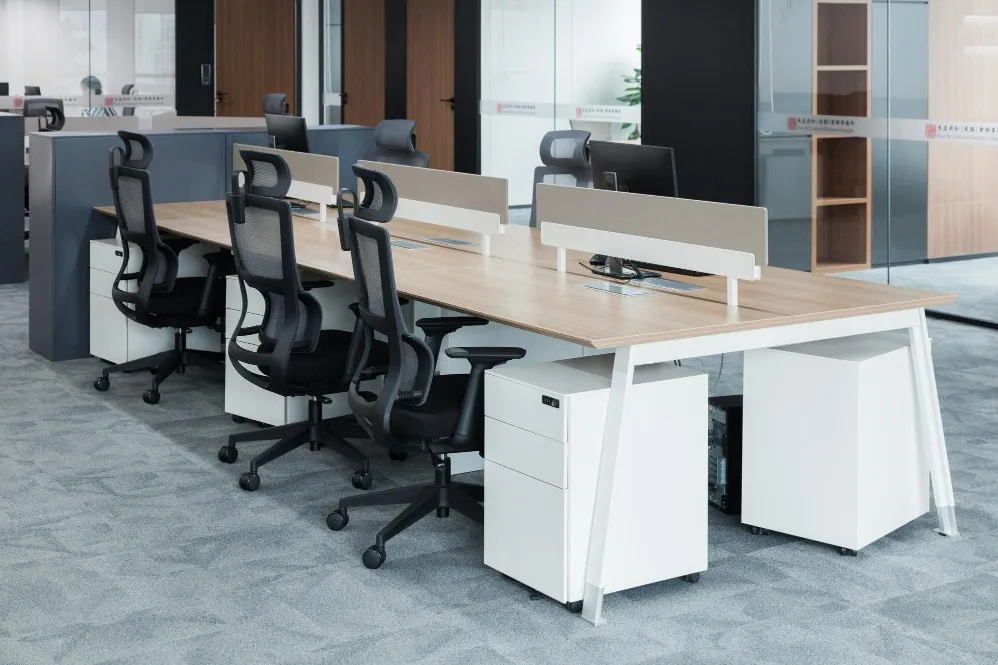
Employees using multiple monitors require different surfaces from staff working mainly on laptops. Teams handling physical documents may need drawers or nearby storage.
Cable management is another practical consideration.
Poorly planned wiring can make a new office look cluttered and create inconvenience when equipment needs to be changed.
Furniture can incorporate cable openings, concealed routes, electrical access, and device storage where appropriate.
Storage Should Be Accessible Without Dominating the Office
More storage is not always better.
Large cabinets occupying valuable floor area may remain half empty, while frequently used files are stored inconveniently far from employees.
Instead, divide storage into categories.
Frequently accessed materials should remain close to the relevant team. Archival items can be positioned elsewhere. Personal storage can be integrated into workstations when appropriate.
This approach improves organization while preserving usable space.
Meeting Furniture Needs the Right Proportions
A meeting table should be selected according to both room dimensions and expected attendance.
An oversized table can leave insufficient circulation space. A small table in a large conference room can appear disproportionate and provide inadequate working space.
Allow room for chairs to move backward comfortably and for people to circulate around seated participants.
Technology requirements should also be considered when meeting rooms use displays, video conferencing equipment, or charging facilities.
Reception Areas Communicate Brand Character
Reception furniture is often among the first physical elements visitors notice.
The desk, waiting chairs, side tables, display units, and decorative elements can help establish whether the business feels formal, contemporary, creative, premium, or approachable.
However, reception areas still need to function efficiently.
Staff need storage and working space, while visitors need comfortable seating without obstructing movement.
Customized Furniture Can Improve Space Efficiency
Nagpur has offices operating in properties ranging from compact commercial units to larger corporate spaces. Standard furniture dimensions do not always make efficient use of these layouts.
Customized manufacturing can help with:
- Narrow workstations
- Corner desks
- Built-in storage
- Reception counters
- Conference tables
- Executive desks
- Collaborative furniture
- Pantry storage
Furniture designed around actual measurements can reduce awkward unused areas.
Plan for Changes
Businesses evolve.
Employee numbers increase, teams move, equipment changes, and working practices develop. Furniture that allows reasonable flexibility can reduce the difficulty of future rearrangements.
Modular layouts can be particularly useful where teams are likely to expand or reconfigure.
For organizations considering furniture manufacturing in Nagpur, Maharashtra, companies such as Elegance Furniture can be evaluated based on their ability to understand dimensions, intended use, materials, finishes, and customized requirements.
Office furniture should ultimately make work easier. When desks, seating, storage, meeting spaces, and circulation are planned together, the workplace can become more organized, comfortable, and efficient without relying on unnecessary furniture.
Keywords